
ChooseFI Episode Show Notes
Episode Title: Understanding Inflation and Its Impact on Investors
Episode Summary: Inflation has emerged as a significant topic concerning investors as costs rise across various sectors. With the Consumer Price Index reflecting inflation rates around 5%, this episode discusses the potential implications of ongoing inflation challenges. The conversation includes insights into different inflation indexes, asset allocation strategies, and the role of real estate and gold as hedges against inflation.
Key Takeaways:
-
Understanding Inflation:
- Inflation impacts consumers and investors, currently reported at approximately 5% in the CPI, significantly above the typical range of 1-2%.
-
Inflation Indexes:
- Two main inflation indexes discussed are the CPI and the PCE, with the Federal Reserve projecting a 3.4% increase for the year.
-
Investment Strategies Amidst Inflation:
- Equities tend to perform well historically during inflationary periods, while bonds may yield lower real returns. For younger investors, maintaining a 100% equity position and dollar-cost averaging is suggested.
-
Hedging Against Inflation:
- Preferred shares and real estate are recommended as ways to hedge against inflation risks.
-
Role of Gold:
- Gold can serve as a hedge against equity downturns, although its historical return is lower compared to equities.
Timestamps:
- Introduction to Inflation
- Understanding Inflation Indexes
- Practical Implications for Investors
- Hedging Against Inflation with Various Assets
- Conclusion and Actionable Insights
Actionable Takeaways:
- Consider preferred shares or real estate investments for hedging against inflation.
- Maintain a 100% equity position and dollar-cost average if new to investing.
- Monitor the Federal Reserve's monetary policies to anticipate inflationary impacts.
Related Resources:
FAQs:
- What are the current inflation rates?
- The current Consumer Price Index shows inflation around 5%.
- How does inflation impact different types of investors?
- Equity investors may benefit in the long run, while bondholders could see erosion of returns.
- Is gold a good hedge against inflation?
- Yes, gold can act as a hedge during equity downturns, though it offers limited growth potential.
Discussion Questions:
- How should inflation influence your investment strategy?
- What role do you see real estate playing in your long-term financial plans?
- Discuss the potential risks and benefits of investing in gold during inflationary periods.
Podcast Hosts:
- Jonathan Mendonsa
- Brad Barrett
Guest:
- Big Earn from Early Retirement Now
Listen to the episode here.

Top Travel Card
Ready to unlock a world of free travel? Start with the Chase Sapphire Preferred® Card
$95 annual fee | Earn 75,000 bonus points after you spend $5,000 on purchases in the first 3 months from account opening.
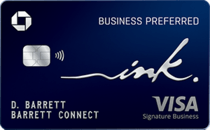
Best Card for Side Hustlers and Business Owners
Side hustlers! With the Ink Business Preferred® Credit Card you can earn free travel from your business expenses.
$95 annual fee | Earn 100,000 bonus points after you spend $8,000 on purchases in the first 3 months from account opening.

Most Flexible Travel Card
The Capital One Venture Rewards Credit Card can be used to offset almost any travel expense.
$95 annual fee | Earn up to $1,000 towards travel once you spend $4,000 on purchases within the first 3 months of account opening
ChooseFI has partnered with CardRatings for our coverage of credit card products. ChooseFI and CardRatings may receive a commission from card issuers.