
Dennis Shapiro worked at the Social Security Administration for 12 years, and his core message contradicts what most early retirees assume: you're probably working longer than necessary by ignoring your future benefits. Most people in the FI community either write off Social Security entirely or treat it as "bonus money" that might not exist when they retire. Shapiro dismantles both misconceptions and explains why understanding your benefits now—especially if you're self-employed or planning to stop traditional work early—directly impacts how much you actually need to save.
Brad Barrett sits down with Shapiro to cover the mechanics of benefit calculations, the 35-year earnings window, claiming strategies, and even disability provisions most people never consider. The conversation cuts through the confusion around what you've actually earned versus what you'll receive, and why checking your ssa.gov account isn't optional busywork.
Key Takeaways:
- Social Security is likely to remain intact in the coming decades
- Benefits are based on your 35 highest earning years
- Self-employed individuals must ensure their earnings are reported correctly
- Impact of claiming benefits early versus waiting until full retirement age
- Annual earnings test and potential penalties for working while claiming benefits
- You can receive both salary and disability benefits under certain conditions
Timestamps & Topics Covered:
- Introduction to Social Security
- Common Misconceptions
- Funding Social Security
- Calculating Benefits
- Social Security's role in financial independence
- Claiming Benefits Strategies
- Disability Benefits Overview
Action Items:
- Sign up for an account at ssa.gov to check your earnings statements and understand your projected benefits
- Log into your ssa.gov account annually to review your earnings and projected benefits
Key Quotes:
- "Social Security is likely to remain intact in the coming decades."
- "Social Security should never be your sole financial safety net; it's part of a broader strategy."
- "You can receive both your salary and disability benefits simultaneously under certain conditions."
Related Resources:
Terminology:
- OASDI: Old Age Survivor Disability Insurance, a payroll tax that funds Social Security benefits
- FICA: Federal Insurance Contributions Act tax used to fund Social Security and Medicare

Top Travel Card
Ready to unlock a world of free travel? Start with the Chase Sapphire Preferred® Card
$95 annual fee | Earn 100,000 bonus points
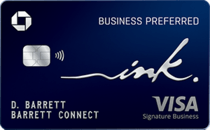
Best Card for Side Hustlers and Business Owners
Side hustlers! With the Ink Business Preferred® Credit Card you can earn free travel from your business expenses.
$95 annual fee | Earn 100,000 bonus points

Most Flexible Travel Card
The Capital One Venture Rewards Credit Card can be used to offset almost any travel expense.
$95 annual fee | Earn 75,000 Miles once you spend $4,000 on purchases within 3 months from account opening
ChooseFI has partnered with CardRatings for our coverage of credit card products. ChooseFI and CardRatings may receive a commission from card issuers.