
ChooseFI Episode Show Notes
Episode Summary
The Secure Act 2.0 introduces significant changes for the financial independence community, notably concerning required minimum distributions (RMDs) and retirement account contributions. Individuals born in 1960 or later can now delay RMDs until age 75, enhancing tax-deferred growth opportunities. The law also permits Roth contributions in SEP and Simple IRAs and allows unused funds in 529 plans to roll over into beneficiaries' Roth IRAs under certain regulations.
Key Topics Discussed
-
Introduction to Secure Act 2.0
- Overview of the new tax law's implications for the financial independence community.
-
Delays in RMDs
- RMDs now start at age 75 for those born in 1960 or later, allowing for more tax-deferred growth.
- Discussion on the benefits of traditional retirement accounts in light of delayed RMDs.
-
Roth Contributions in Workplace Plans
- Introduction of options for Roth contributions in SEP and Simple IRAs.
- Employers can opt to offer Roth matching contributions.
-
529 Plans and Rollovers to Roth IRAs
- New options for unused funds in 529 plans to roll over into a beneficiary's Roth IRA, subject to specific regulations.
- Discussion on the strategic use of 529 plans and the newly introduced regulations.
-
Conclusion and Final Thoughts
- Recap of the significant provisions of the Secure Act 2.0 relevant to the FI community.
Actionable Takeaways
- Take advantage of the new RMD rules to strategize your tax planning effectively.
- Consider the implications of your retirement account choices, including the option for Roth contributions.
- Review your 529 plans to explore potential rollovers into Roth IRAs if funds are overfunded.
Key Quotes
- "Secure 2.0 delays RMDs, providing flexibility for the FI Community."
- "Delaying RMDs enhances the appeal of traditional retirement contributions."
- "Congress addresses overfunded 529s with new rollover options."
Discussion Questions
- How will the delay in RMDs affect your retirement planning strategy?
- What are the potential benefits and drawbacks of Roth conversions?
- What strategy would you adopt for overfunded 529 plans?
Related Resources
Terminology Glossary
- RMD: Required Minimum Distribution – the minimum amount a retiree must withdraw from retirement accounts annually.
- 529 Plan: A tax-advantaged savings plan designed to encourage saving for future education costs.
- Roth IRA: A retirement account with tax-free growth and tax-free withdrawals in retirement.
- Catch-up contributions: Additional contributions allowed for individuals aged 50 and over to their retirement accounts.
Podcast Description
Explore the implications of Secure Act 2.0 for financial independence, including changes in RMD age, Roth contributions, and strategies for overfunded 529 plans.

Top Travel Card
Ready to unlock a world of free travel? Start with the Chase Sapphire Preferred® Card
$95 annual fee | Earn 75,000 bonus points after you spend $5,000 on purchases in the first 3 months from account opening.
Best Card for Side Hustlers and Business Owners
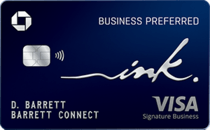
Side hustlers! With the Ink Business Preferred® Credit Card you can earn free travel from your business expenses.
$95 annual fee | Earn 100,000 bonus points after you spend $8,000 on purchases in the first 3 months from account opening.

Most Flexible Travel Card
The Capital One Venture Rewards Credit Card can be used to offset almost any travel expense.
$95 annual fee | Earn up to $1,000 towards travel once you spend $4,000 on purchases within the first 3 months of account opening
ChooseFI has partnered with CardRatings for our coverage of credit card products. ChooseFI and CardRatings may receive a commission from card issuers.