
ChooseFI Podcast Episode Show Notes
Episode Summary
Understanding drawdown strategies is crucial for financial independence, especially as many individuals approach or enter retirement. This episode features insights from Karsten from Early Retirement Now and Fritz from The Retirement Manifesto, both of whom share their unique approaches to withdrawing funds after retiring in June 2018. Karsten emphasizes the importance of asset location and has maintained cash flow without selling assets, while Fritz outlines his bucket strategy, which includes planning two years in advance and employing a system to create a 'paycheck' from savings. Both methods aim to minimize anxiety during market downturns and ensure a steady income during retirement.
Key Takeaways
- Drawdown Strategies: It's essential to formulate a strategy detailing how to withdraw funds post-retirement while managing risks, taxes, and cash flow.
- Asset Location vs. Asset Allocation: Understanding where your assets are held affects tax implications and cash flow during retirement. Income generated from taxable accounts may not incur taxes until realized.
- Bucket Strategy: Fritz's method involves categorizing assets into buckets based on when funds will be needed, promoting steadier cash flow and reducing anxiety.
- Dynamic Spending: Adjust your spending habits in response to market conditions to avoid underspending during retirement.
- Psychological Comfort: Both hosts emphasize the importance of feeling secure about finances during retirement, which can help mitigate fears surrounding market downturns.
Timestamps & Discussion Highlights
- Podcast Intro:
- Introduction of guests Karsten and Fritz to discuss drawdown strategies.
- Karsten's Drawdown Strategy Overview: Discusses the importance of asset location and maintaining cash flow without asset liquidation.
- Tax Location and Roth Conversions: Karsten explains the differences between taxable accounts and retirement accounts, and their relevance during withdrawals.
- Fritz's Bucket Strategy Explanation: Introduction to Fritz’s system of structuring withdrawals through cash, bonds, and stocks, explaining his “paycheck creation” method.
- Key insight on planning access to retirement funds for optimal tax strategies to avoid penalties.
- Psychological Aspects of Withdrawals: Discussion on the anxiety retirees face when withdrawing funds during downturns and methods to combat that anxiety.
- Importance of having a tailored plan for transitioning into the withdrawal phase of retirement.
- Final Thoughts and Summary: Recap of the conversation focusing on actionable steps for listeners.
Actionable Takeaways
- Have a clear plan before retirement to transition smoothly into a drawdown phase.
- Consider asset allocation and location before retiring, ensuring you’re prepared for taxes and withdrawals.
- Establish an automated withdrawal system to reduce anxiety in managing retirement income.
Key Quotes
- "Transitioning from accumulation to withdrawal is critical."
- "Avoiding the stresses of budgeting in retirement is key."
- "Most retirees must be prepared to sell equities."
Related Resources
- Visit Early Retirement Now for more insights from Karsten.
- Check out The Retirement Manifesto for tips from Fritz.
FAQs
-
What are drawdown strategies?
- Drawdown strategies involve planning how retirees will withdraw from their investment accounts while managing risks, taxes, and maintaining a steady income.
-
What is a safe withdrawal rate?
- The safe withdrawal rate is the percentage of your portfolio that you can withdraw annually without running out of money, typically around 3.25-4%.
-
What is a bucket strategy?
- A bucket strategy separates investments into different 'buckets' based on when funds will be needed, helping manage cash flow and mitigate risks during downturns.
Discussion Questions
- How can different asset locations affect your retirement plan?
- What steps can you take to change your mindset towards spending in retirement?
- Why is it important to have a strategy in place two years before retirement?
Action Items
- Plan your asset allocation strategy and simulate possible withdrawal scenarios before retirement.
- Develop a system for automatic withdrawals from your investment accounts.
- Review your portfolio and reallocate as needed at least quarterly.
Podcast Description
Explore strategies for drawing down retirement savings with expert guests, discussing asset allocation, tax implications, and how to spend confidently in retirement.
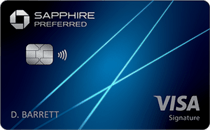
Top Travel Card
Ready to unlock a world of free travel? Start with the Chase Sapphire Preferred® Card
$95 annual fee | Earn 75,000 bonus points after you spend $5,000 on purchases in the first 3 months from account opening.
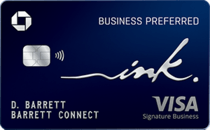
Best Card for Side Hustlers and Business Owners
Side hustlers! With the Ink Business Preferred® Credit Card you can earn free travel from your business expenses.
$95 annual fee | Earn 100,000 bonus points after you spend $8,000 on purchases in the first 3 months from account opening.

Most Flexible Travel Card
The Capital One Venture Rewards Credit Card can be used to offset almost any travel expense.
$95 annual fee | Earn up to $1,000 towards travel once you spend $4,000 on purchases within the first 3 months of account opening
ChooseFI has partnered with CardRatings for our coverage of credit card products. ChooseFI and CardRatings may receive a commission from card issuers.