
Most consumer products aren't built to last — they're built to break so you'll buy again. That's planned obsolescence, and Jonathan opens this mashup episode with a personal frustration: replacing every toilet mechanism in his house for the second year running. From there, he and Brad tackle a mix of listener stories and questions that all circle the same idea: small, structural decisions compound into massive long-term wealth (or waste). Ryan shares how a government shutdown turned into unexpected clarity about his career and priorities. Jill reveals the clever way she got her skeptical spouse on board with FI — not through spreadsheets, but through an experience that made the ideas click. And listeners ask: Should employer matches count in your savings rate? How do you balance family time with high-earning work? Each segment reinforces how reframing everyday choices can unlock opportunities you didn't see before.
Key Topics Discussed
Introduction to Planned Obsolescence
Jonathan shares his frustration over replacing toilet mechanisms and how it symbolizes consumer behavior. Planned obsolescence is the design practice where products are intended to fail after a certain time, compelling consumers to repurchase.
Discussion on Car Ownership
Brad shares the costs associated with maintaining an older car versus purchasing a new vehicle. Structural financial decisions in car ownership can lead to significant long-term savings.
Ryan's Experience During Government Shutdown
Ryan discusses turning the challenges of a government shutdown into opportunities for personal growth and exploration.
Jill's Strategy to Engage Her Spouse
Jill recounts how she got her husband on board with financial independence through an engaging retreat experience.
Mailbag Questions
Listeners' questions are addressed, including savings rate calculations and prioritizing family time over work.
Timestamps
- - How planned obsolescence impacts financial choices
- - Reframing car expenditures to reveal long-term savings
- - Structural choices in personal finance lead to significant wealth accumulation
- - Recognizing the disconnect between income and expenses as a wake-up call
- - Earning potential as a nurse with an associate's degree in California
- - Eliminating debt opens up opportunities
- - Leveraging unexpected free time for personal growth
- - FI as a continuum, not binary
- - Involving partners through shared experiences
- - Calculating savings rate with employer contributions
Resources

Top Travel Card
Ready to unlock a world of free travel? Start with the Chase Sapphire Preferred® Card
$95 annual fee | Earn 75,000 bonus points
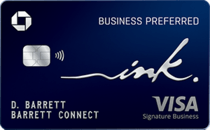
Best Card for Side Hustlers and Business Owners
Side hustlers! With the Ink Business Preferred® Credit Card you can earn free travel from your business expenses.
$95 annual fee | Earn 100,000 bonus points

Most Flexible Travel Card
The Capital One Venture Rewards Credit Card can be used to offset almost any travel expense.
$95 annual fee | 75,000 Miles once you spend $4,000 on purchases within 3 months from account opening
ChooseFI has partnered with CardRatings for our coverage of credit card products. ChooseFI and CardRatings may receive a commission from card issuers.